I led a team of four UX/UI designers through almost the entire game lifecycle, from GLP, pre-production, production, and the demo release. Throughout the project, I coordinated the team's efforts, ensuring design quality, alignment with product goals, and timely delivery across each phase. We used the proto-personas developed with the Marketing team to guide UX decisions and keep the player at the centre of the design process.
In addition to leading the team, I trained three team members on usability testing processes, providing guidance on planning, conducting, and analysing user research. I consistently emphasised the importance of usability best practices, fostering a user-centred mindset and ensuring that design decisions were informed by research and aligned with established UX principles.
Playtesting & Usability Validation
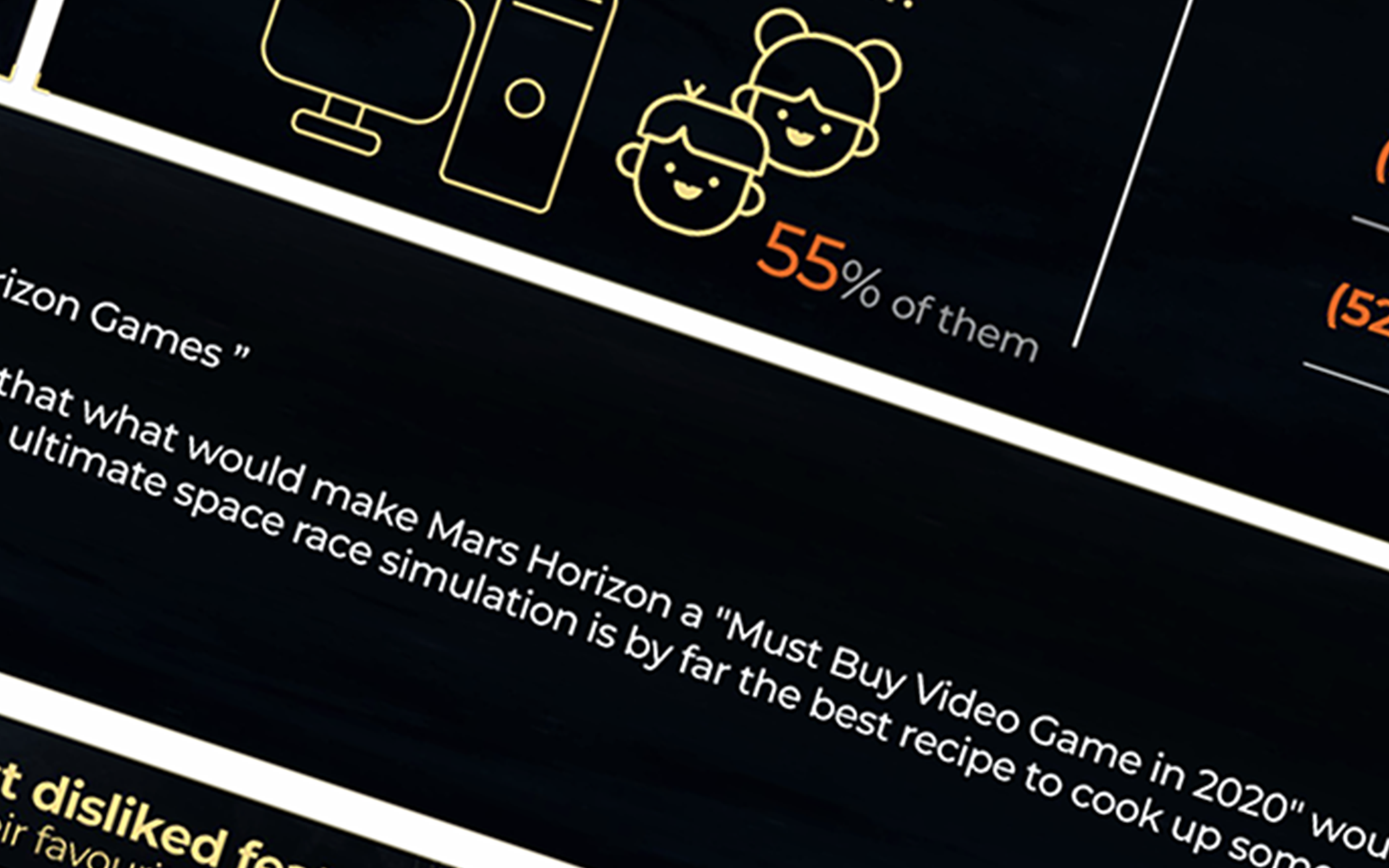
As the lead project, I trained three of the four UX team members in usability testing best practices, establishing a consistent research process across the project. Together, we conducted more than 50 usability tests throughout the GLP, Pre-Production, and Production stages of Mars Horizon 2.
These sessions provided actionable player insights that informed design iterations, uncovered usability issues early, and helped ensure a player-centred experience throughout development.
Wireframes That Facilitated Cross-Disciplinary Collaboration
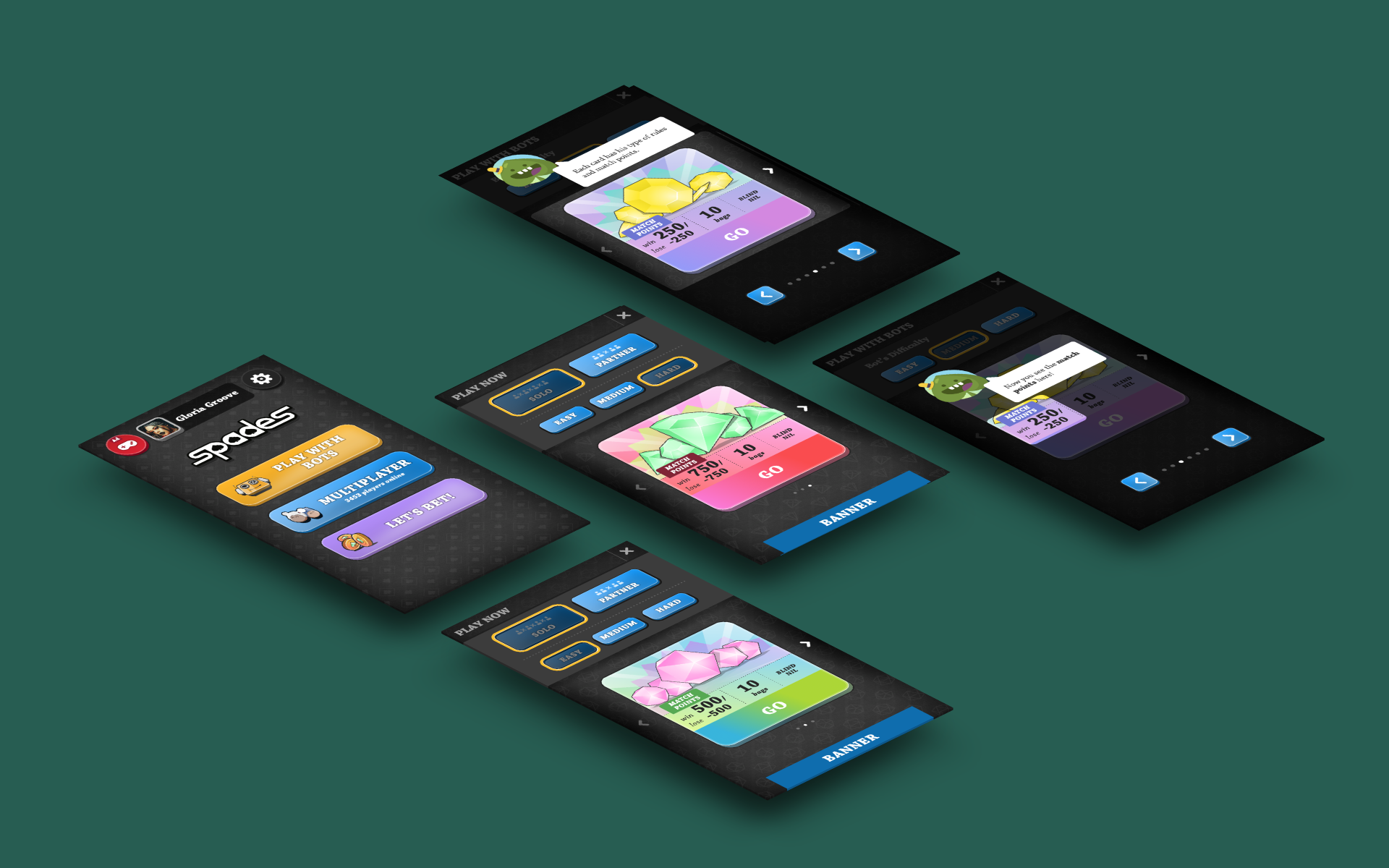
Creating wireframes early in the design process became a valuable collaboration tool, especially for the Game Design team. By translating gameplay ideas into clear user flows and interface concepts, designers could quickly evaluate mechanics, discuss alternatives, and refine features before any implementation work began.
Aligning on solutions at this early stage helped uncover design and technical challenges before development, reducing misunderstandings and minimizing rework. As a result, the team was able to iterate faster, make more informed decisions, and focus development time on delivering polished player experiences rather than revisiting implemented features.
UI Designed Through Team Collaboration
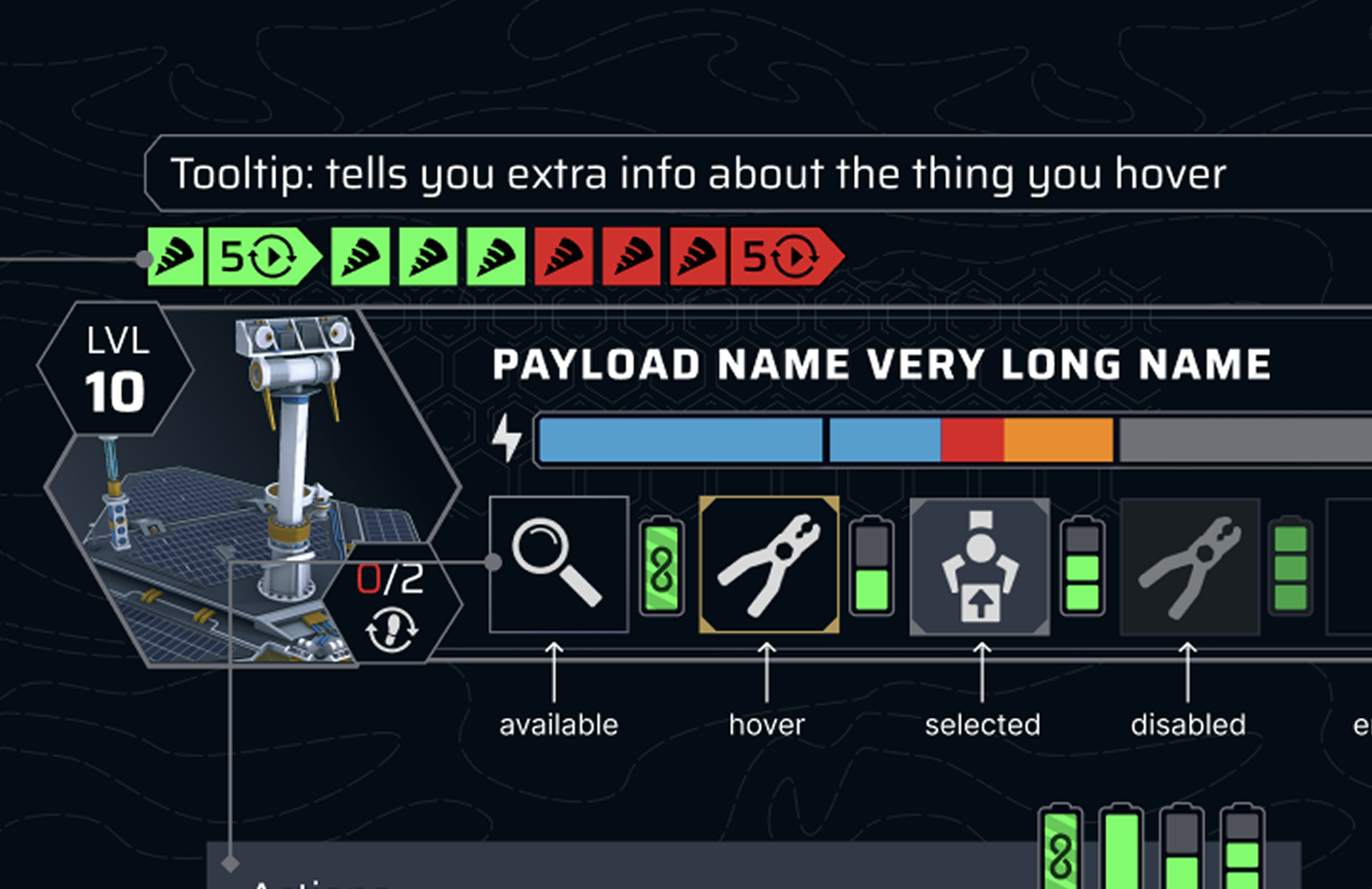
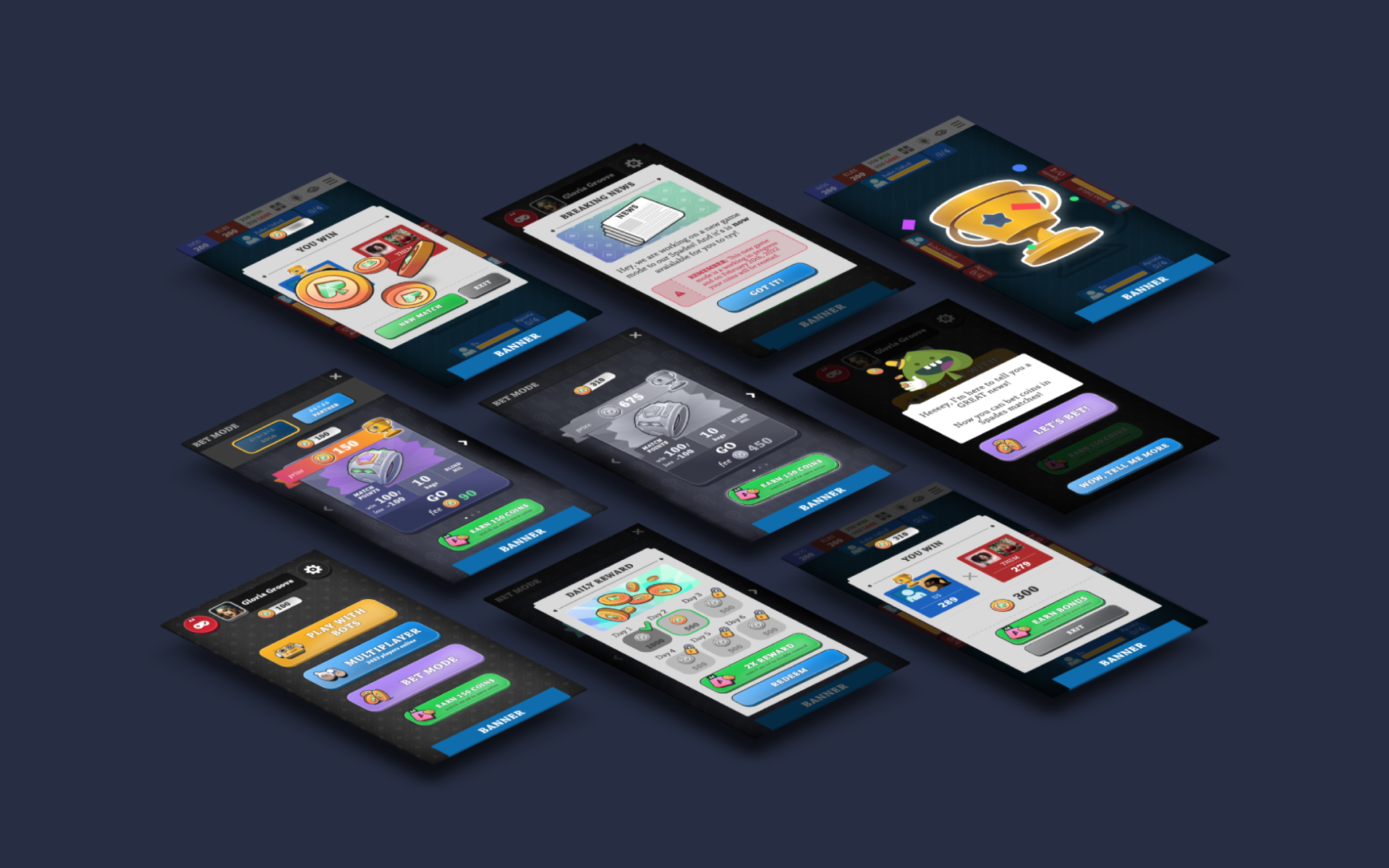
Although each UX/UI designer was responsible for different features, the interface was built collaboratively by all five members of the UX/UI team, including myself. As the team lead, I encouraged regular design reviews, open feedback, and shared ownership of the UI. This collaborative workflow ensured consistency across the interface, reduced design silos, and allowed us to solve complex UX challenges together, resulting in a more polished and cohesive player experience.
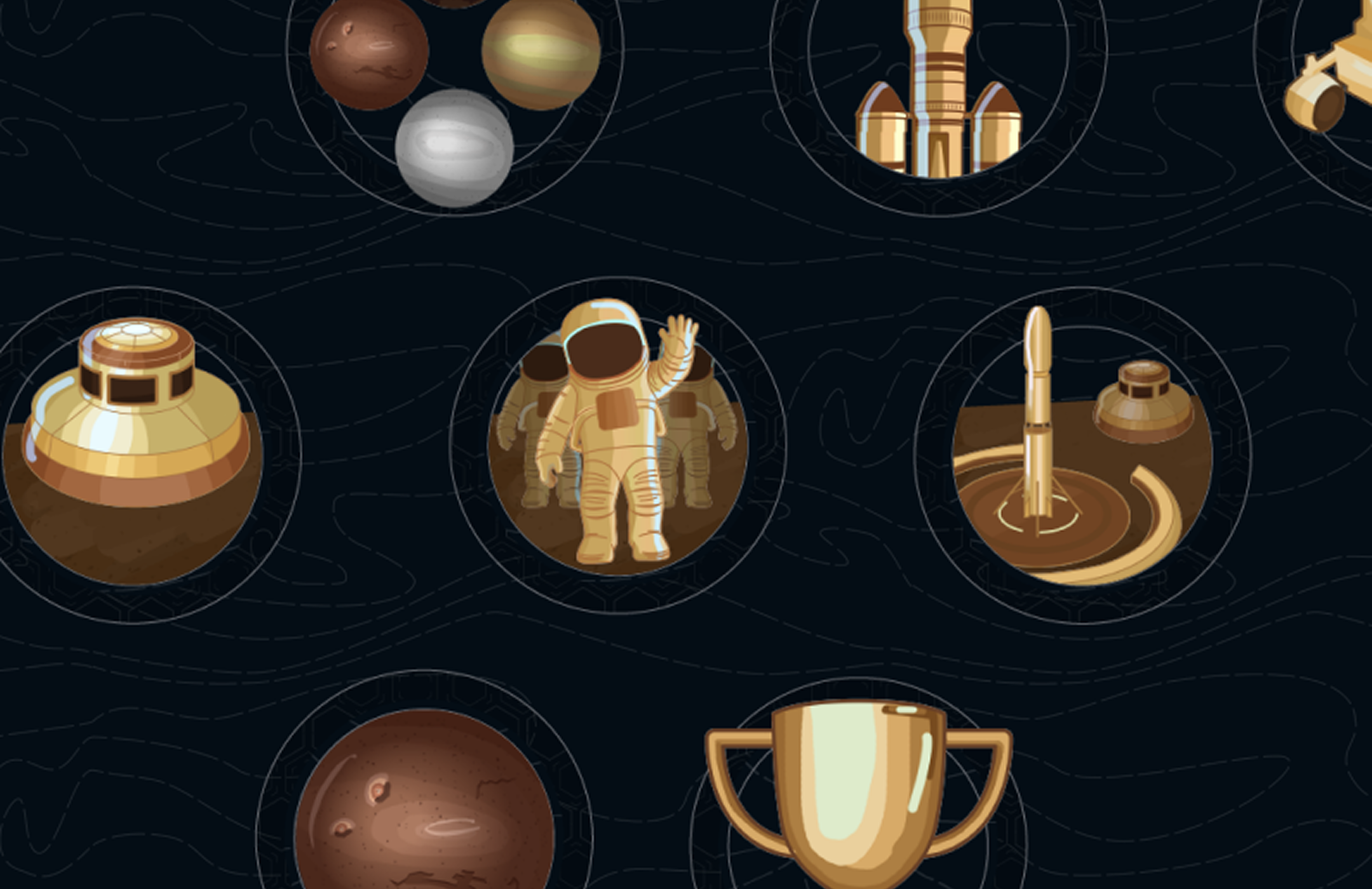
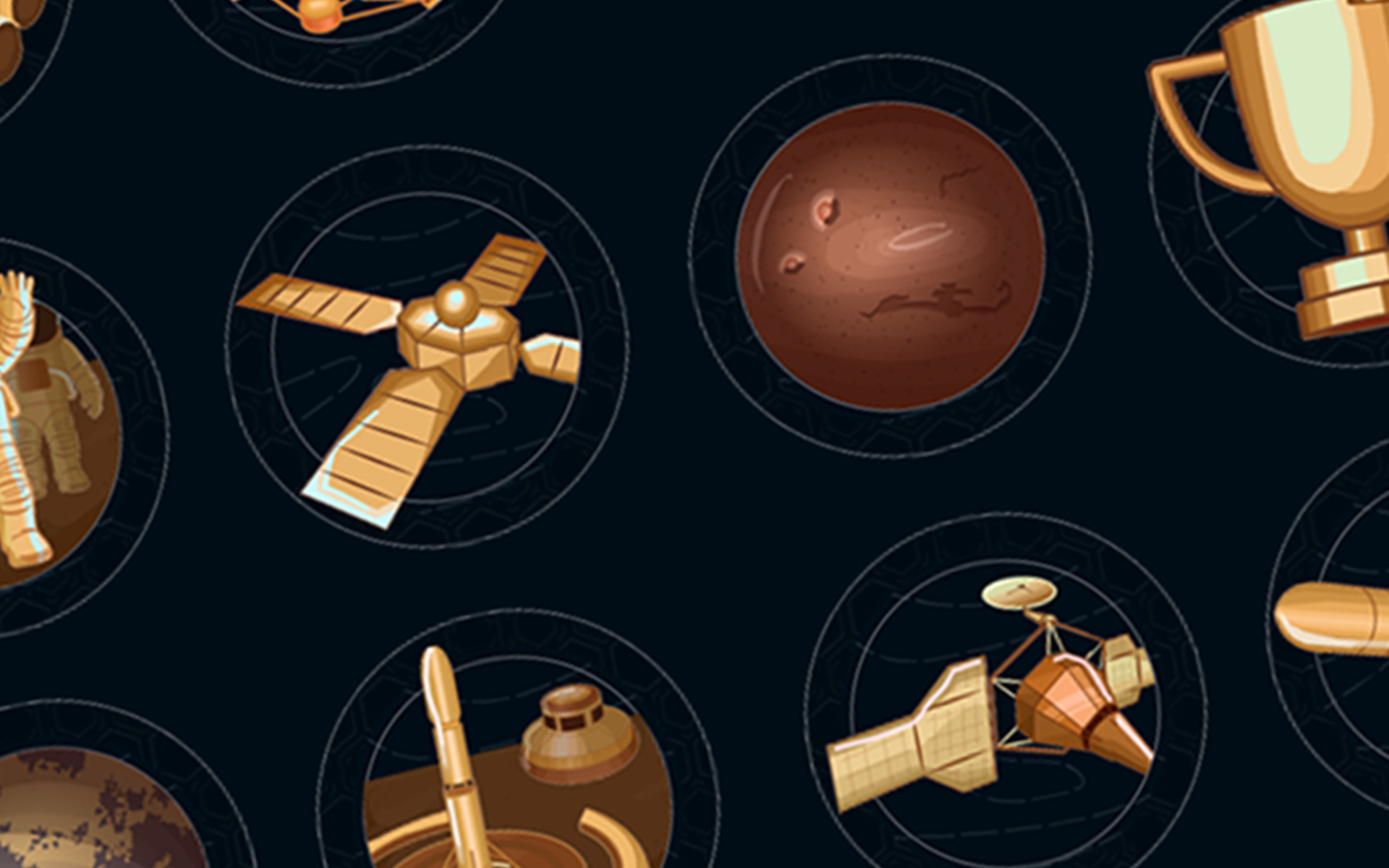
At the beginning of the project, our Art Director worked closely with the UX/UI team to define the visual pillars of Mars Horizon 2's interface. One of the key objectives was to create a UI that conveyed the feeling of real-world space exploration and scientific authenticity, while deliberately avoiding a traditional sci-fi aesthetic. Many gameplay systems and mechanics were inspired by discussions between the Game Design team and the European Space Agency (ESA), making scientific credibility an essential part of the player experience.
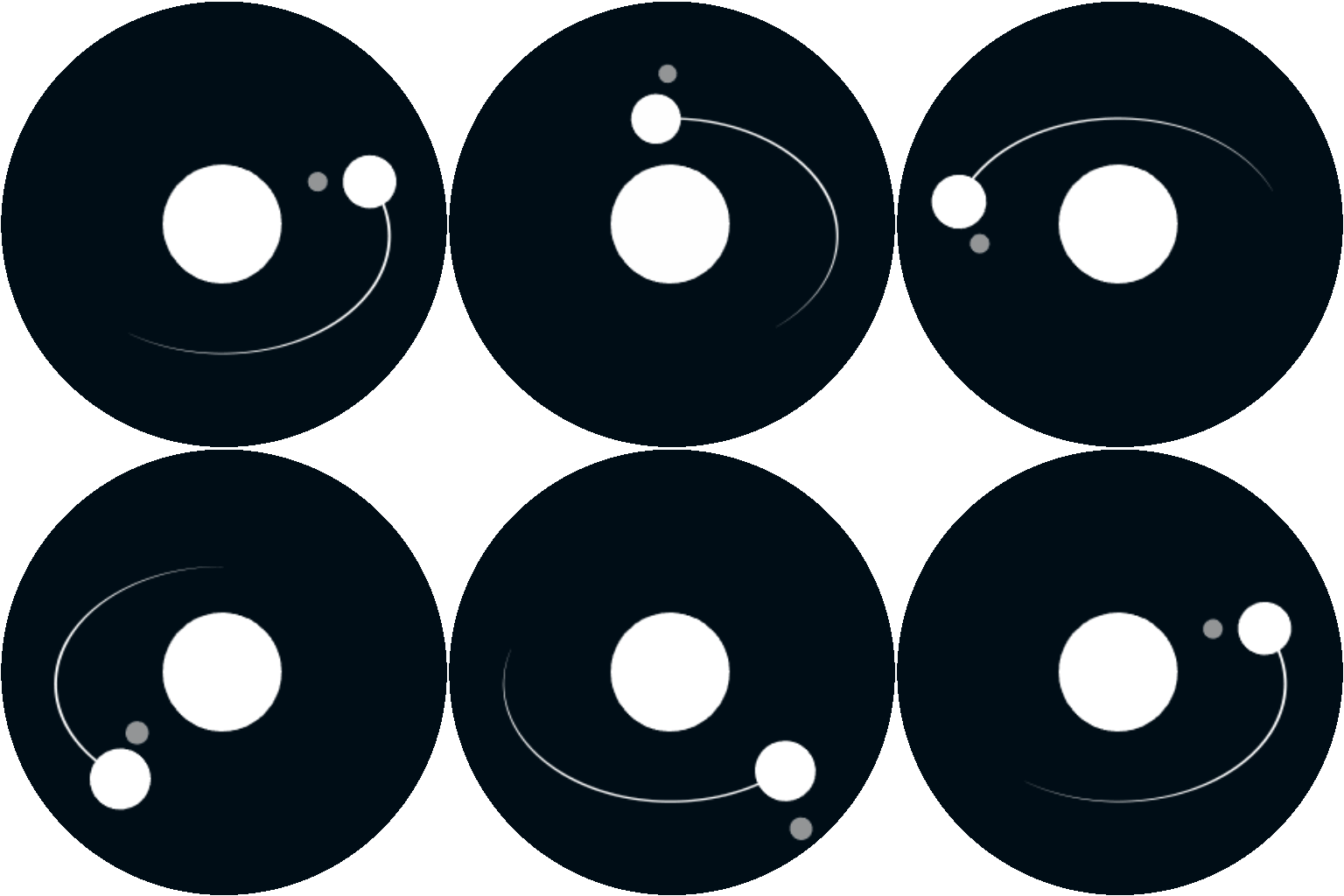
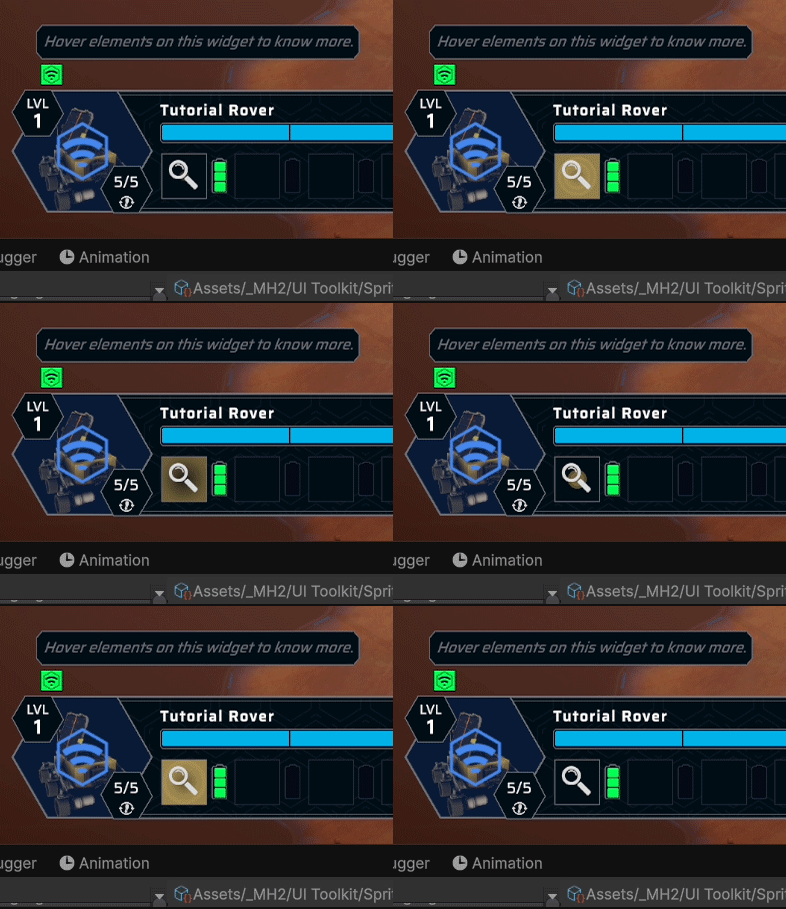
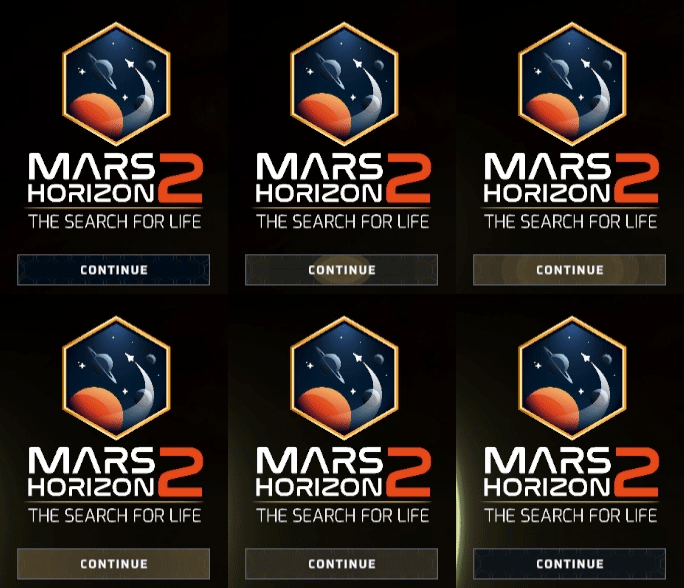
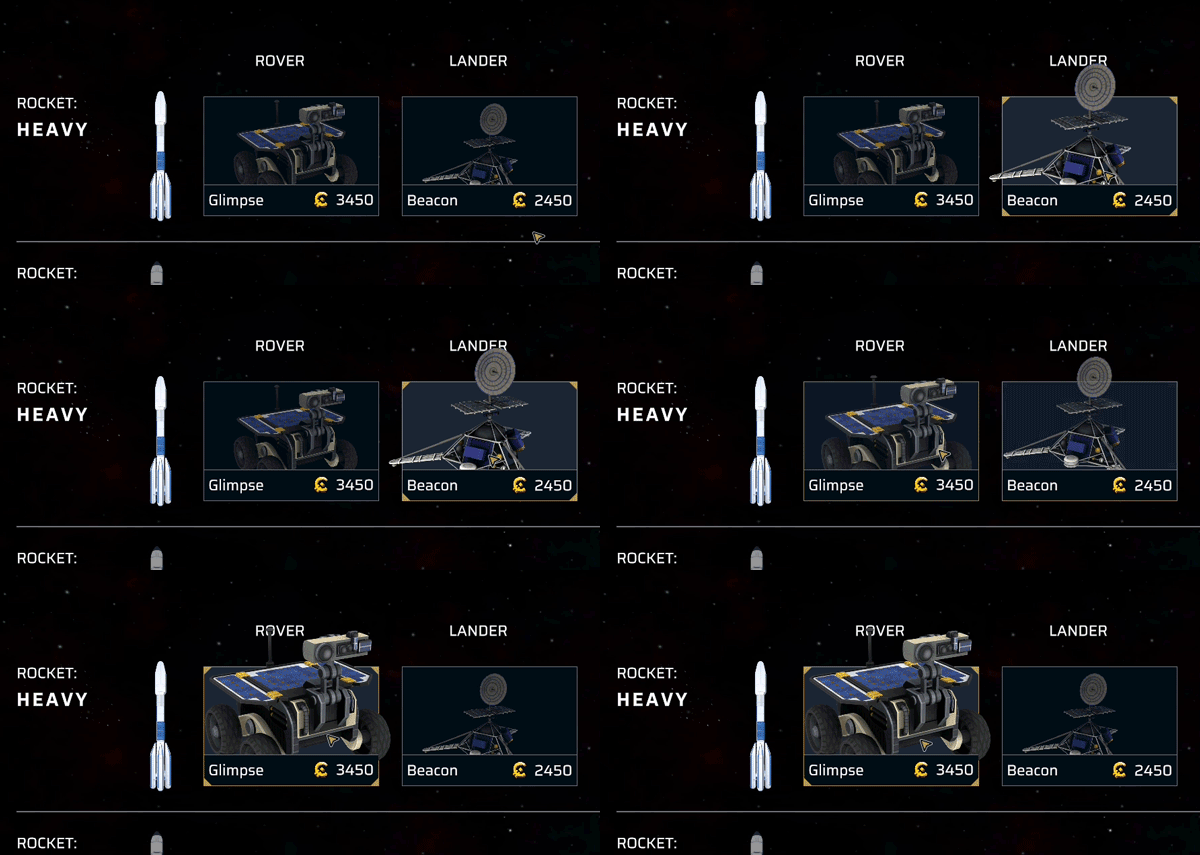
Enhancing Player Understanding Through Animation
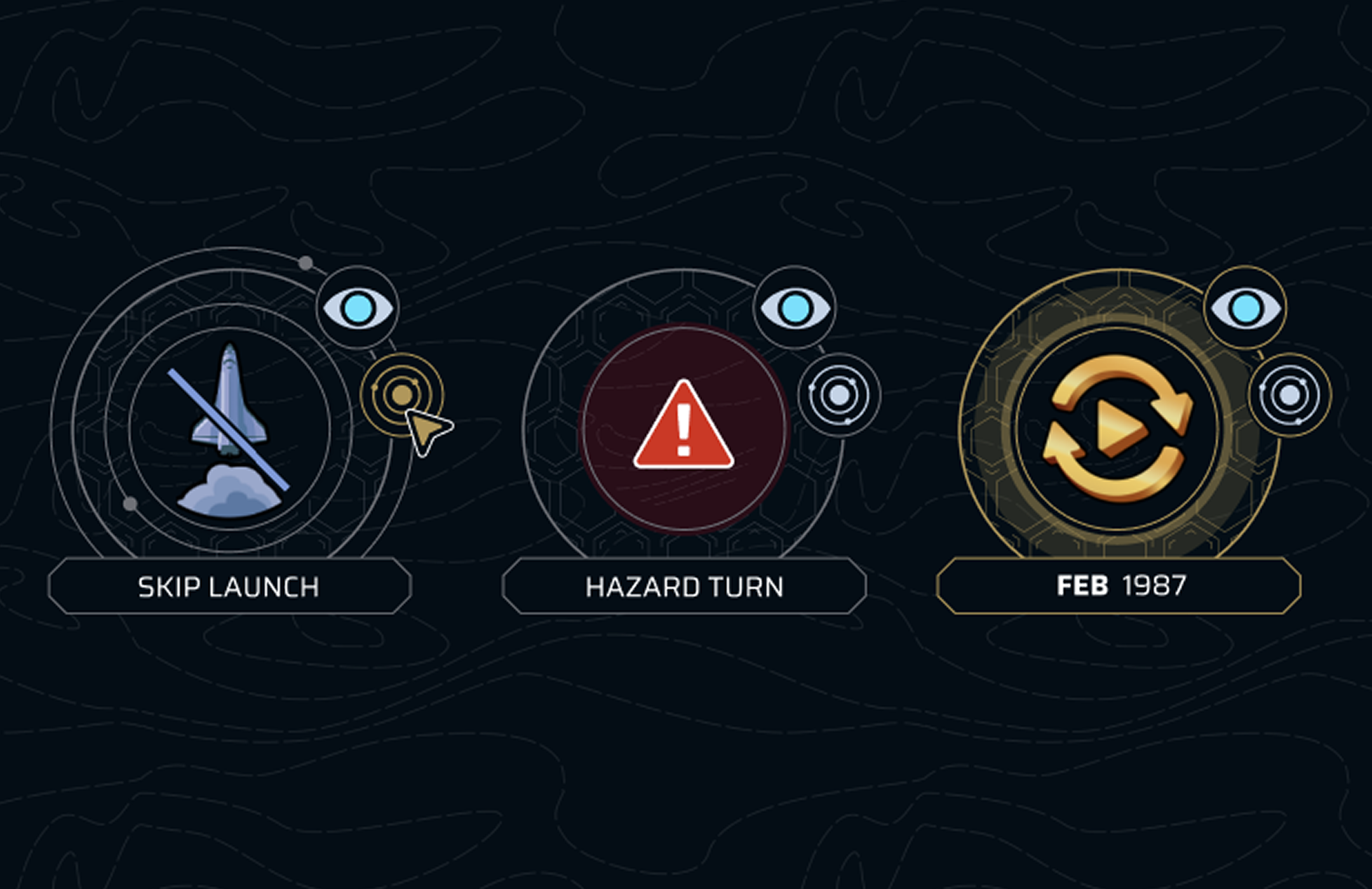
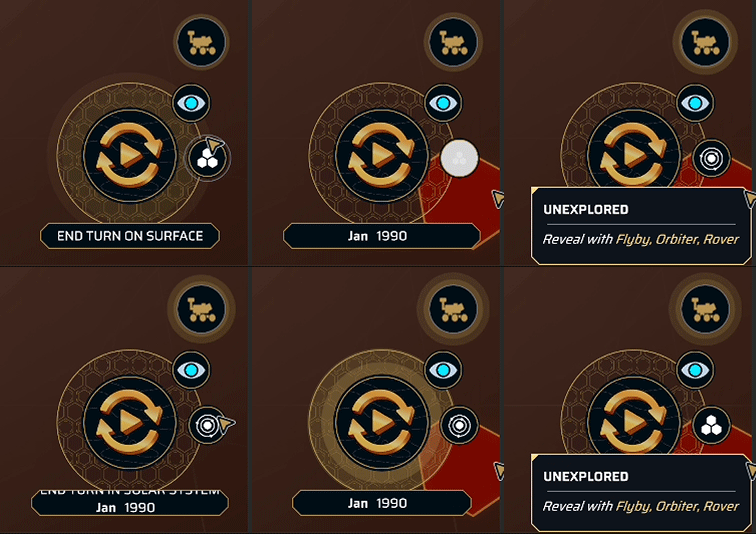
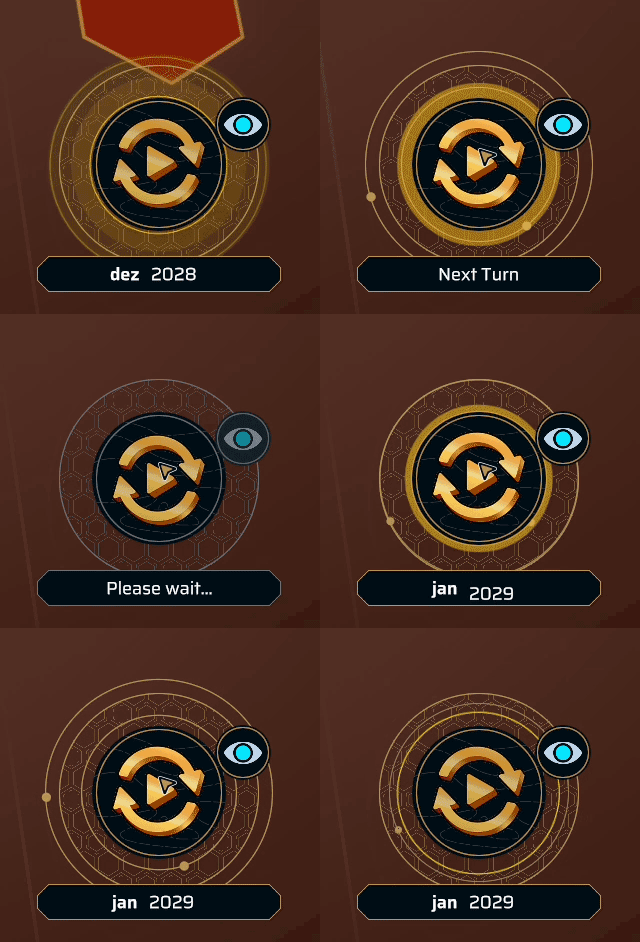
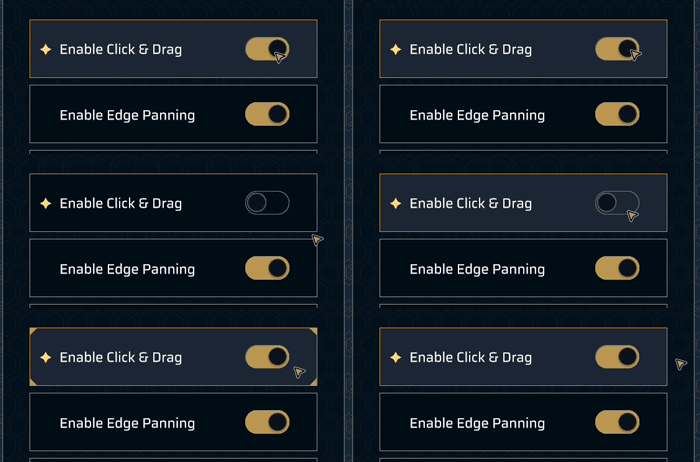
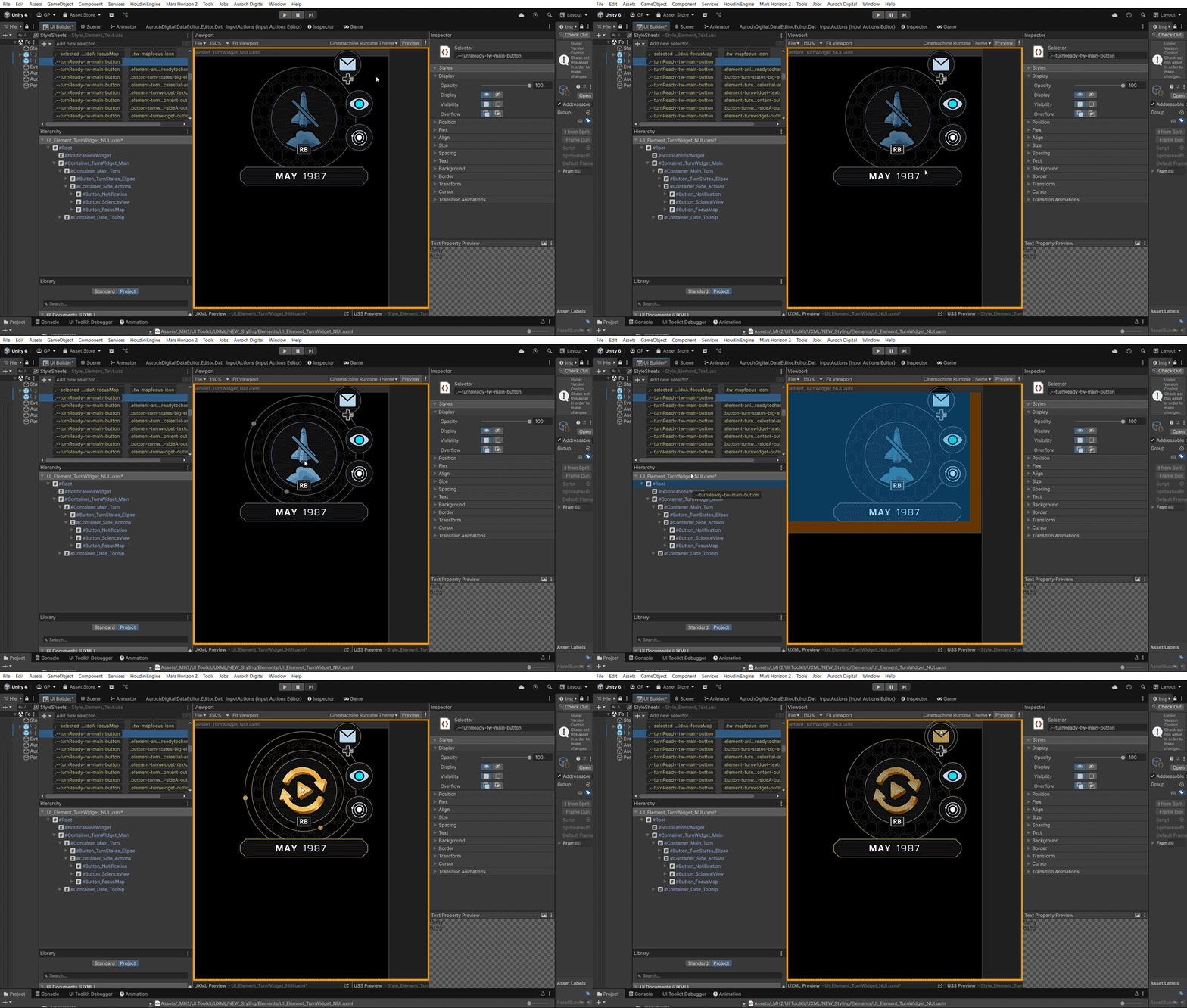
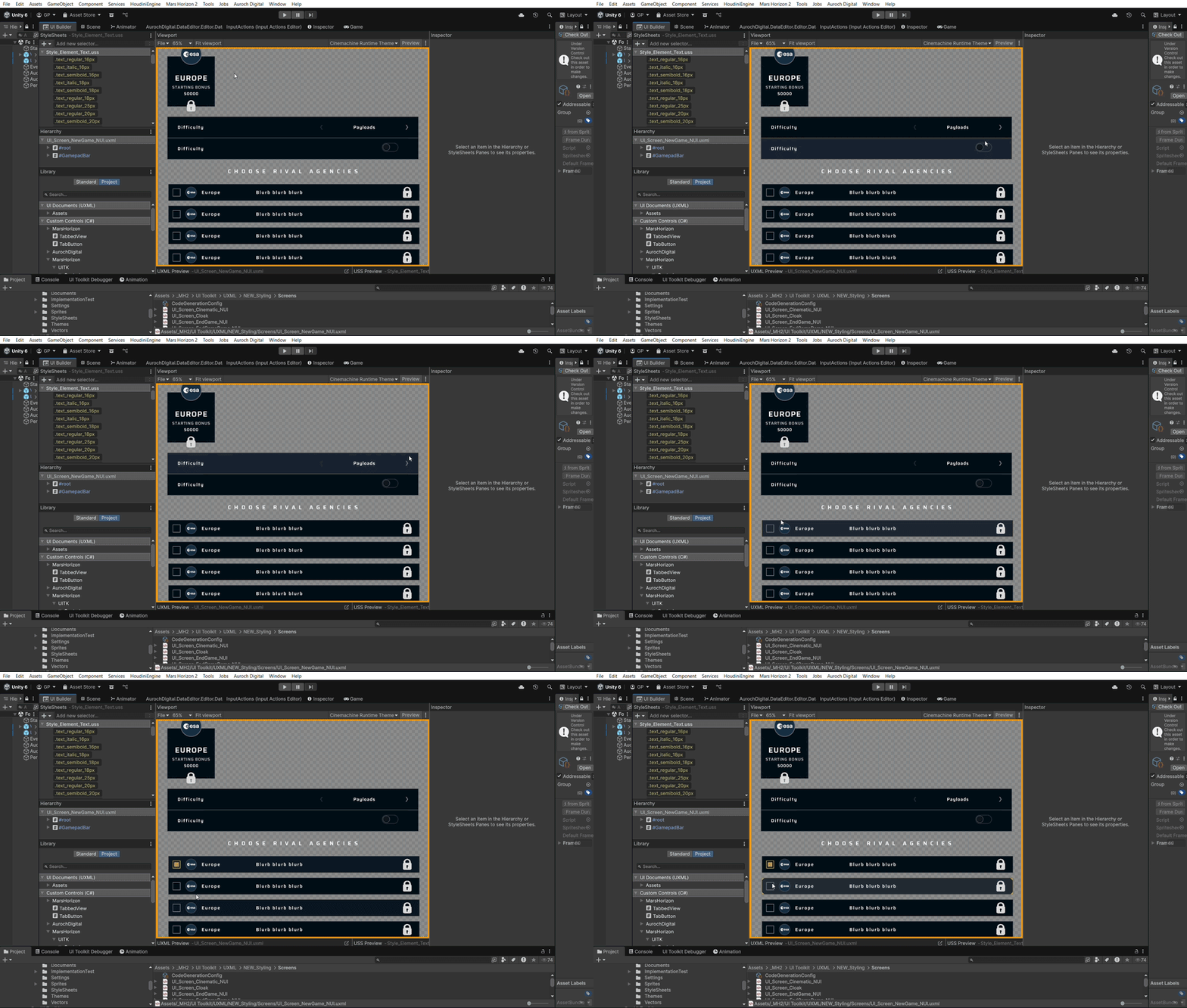
UI animations played an important role in improving both player understanding and engagement throughout Mars Horizon 2. Motion was used intentionally to communicate state changes, provide immediate feedback, highlight important information, and guide player attention across different gameplay systems.
By making interactions feel clearer and more responsive, animations reduced cognitive load and helped players better understand the consequences of their actions. Beyond usability, they also enhanced the overall quality and polish of the interface, creating a more satisfying and engaging player experience while reinforcing the game's visual identity.

Mars Horizon 2
Mars Horizon 2
Spades Jogatina
Spades Jogatina